Everest Base Camp Trek 14 Days

337 reviews in TripAdvisor
91 reviews in Google

Everest Base Camp Trek in Nepal is a 14-day journey that takes you to the base of the world’s highest peak, Mount Everest, through the iconic trekking route inside the UNESCO-listed Sagarmatha National Park. This world-famous adventure is one of the most popular trekking experiences for explorers worldwide, offering dramatic Himalayan landscapes, glaciers, and high-altitude valleys while allowing you to experience the authentic Sherpa culture, traditional mountain villages, ancient monasteries, and warm local hospitality along the way.

Trip Facts
Duration
14 Days
Trip Grade
Moderate
Country
Nepal
Maximum Altitude
5545
Starts
Kathmandu
Ends
Kathmandu
Group Size
10
Activities
Trekking
Best Time
Sept - Nov & March - May
We believe that true adventure is built on trust, safety, and comfort. The mountains demand responsibility, and quality service should never be compromised by price. Our commitment is to deliver meaningful journeys through responsible tourism, exceptional hospitality, and uncompromising standards. Therefore, we avoid unhealthy price competition.

Everest Base Camp Trek 14 Days Outline Itinerary

The Everest Base Camp Trek is a 14-day Himalayan adventure that takes you to the base of the world’s highest peak, Mount Everest (8,848.86 m / 29,031.7 ft). The journey reaches Everest Base Camp (5,364 m / 17,598 ft) and the iconic viewpoint of Kalapatthar (5,545 m / 18,192 ft), offering some of the most breathtaking panoramic views of Everest and surrounding Himalayan giants.

Your adventure begins with a thrilling flight to Tenzing–Hillary Airport in Lukla, one of the world’s most dramatic mountain airports. From here, the trail leads through classic Sherpa villages such as Phakding, Namche Bazaar, Tengboche, Dingboche, Lobuche, and Gorakshep, within the stunning landscapes of Sagarmatha National Park, a UNESCO World Heritage Site.

Along the way, you will experience the rich Sherpa culture, Buddhist monasteries, prayer wheels, suspension bridges, alpine forests, and glacial rivers that define the Khumbu region. A visit to Tengboche Monastery adds a deep spiritual dimension to the journey, with spectacular views of Ama Dablam, Lhotse, Nuptse, and Everest.

The trek is considered challenging but does not require technical climbing skills. It is suitable for trekkers with good physical fitness, with carefully planned acclimatization stops in Namche Bazaar and Dingboche to help prevent altitude sickness.

More than just a trek, the Everest Base Camp journey is a life-changing Himalayan experience that combines adventure, culture, and natural beauty in one of the world’s most iconic mountain landscapes.

Authentic Sherpa Culture Experience

When you are trekking to the Everest base camp you will explore the authentic sherpa culture along with their daily life style in the Himalayas. You will visit traditional mountain settlements where ancient customs, hospitality, and Buddhist values are still deeply preserved.

You can Observe unique cultural practices, including prayer rituals, mani walls, and fluttering prayer flags across the valleys and Explore centuries-old monasteries where monks continue spiritual traditions in peaceful mountain surroundings.

The greatest part of this journey is that you will understand how Sherpas have become world-renowned for their strength, endurance, and Himalayan mountaineering legacy.

Stand Face-to-Face with Mount Everest alongside the EBC Trek

When you are doing the EBC trek you will have the opportunity to stand face to face with the Mount Everest from where you can Witness Mount Everest from iconic viewpoints that bring you visually closer than anywhere else on Earth without climbing.

You will experience the overwhelming scale of the Himalayas as Everest dominates the skyline during the trek. Explore the opportunity of Reaching vantage points where the world’s highest peak feels almost within reach, creating a powerful emotional moment.

Witness the Everest along side the surrounding giants like Lhotse and Nuptse, forming one of the most dramatic mountain panoramas. Upon reaching EBC you will feel the Feel a rare sense of achievement standing in the Everest region, a place most people only see in documentaries or photos.

Why Should You Choose the Everest Base Camp Trek in Nepal?

There are many reasons why you should choose the Everest base camp trek in Nepal which are It is one of the few treks in the world where you walk in the direct shadow of the highest mountain on Earth, offering a truly unmatched sense of scale and achievement.

The trek is a rare combination of high-altitude challenge and well-supported infrastructure, making it accessible without requiring technical climbing skills. You get a deep sense of personal accomplishment by crossing high mountain terrain like the Khumbu region, often considered a bucket-list milestone for trekkers worldwide.

Unlike many other Himalayan routes such as the Annapurna base camp, this trek offers consistent cultural immersion, where local Sherpa hospitality becomes a key part of the experience rather than just scenery.

It offers one of the best ratios of effort vs reward every day brings dramatic visual and emotional payoff compared to the physical effort required.

The trail has strong global recognition, meaning you share the route with trekkers from around the world, creating a unique international trekking atmosphere. The trek builds strong mental resilience, as the altitude, terrain, and environment push you beyond your usual comfort zone in a safe, guided way. And, also if you are planning for the future Everest expeditions this can be the best opportunity for you to explore and let body and mind expose to the high-altitude mountains.

Is the Everest Base Camp Trek Right for You?

One of the questions we answer almost every day is whether the Everest Base Camp Trek is suitable for a particular person. The answer depends far more on your fitness, attitude, and preparation than on your age.

This trek is ideal for people who enjoy hiking, spending time outdoors, and experiencing mountain culture. Many of our trekkers have never visited Nepal before, and a large percentage are completing their first high-altitude trek. We regularly guide solo travellers, couples, families with older teenagers, retirees, and groups of friends.

You do not need previous mountaineering experience or technical climbing skills. If you can comfortably walk for several hours over uneven trails for consecutive days and are willing to take acclimatization seriously, you are already in a good position to enjoy the journey.

On the other hand, if your main goal is luxury hotels, nightlife, or travelling without physical effort, Everest Base Camp is probably not the right trip. The accommodation becomes basic as you climb higher, temperatures become colder, and reaching Base Camp requires patience rather than speed.

Can I Do the Everest Base Camp Trek with Helicopter Return?

Yes, you can do the Everest Base Camp Trek with a helicopter return, and in fact, many trekkers choose this option for a faster and more comfortable journey.

In this option, you trek from Lukla to Everest Base Camp following the classic route, and then take a helicopter flight back directly to Lukla or Kathmandu after reaching Base Camp. This allows you to enjoy the full trekking experience while avoiding the long return walk.

We also offer a dedicated Everest Base Camp heli fly-out package, specially designed for trekkers who prefer this convenient return option.

However, please note that the helicopter return option is more expensive compared to the traditional trekking return, as it involves private or shared helicopter arrangements from high altitude.

Can You Visit Everest Base Camp from Tibet?

Yes, you can visit Everest Base Camp from the Tibet side, but it is important to understand that it is a completely different route from the Nepal side.

The base camp you reach from Tibet is known as the North Everest Base Camp, located in the Tibet Autonomous Region of China. Unlike the trekking route in Nepal, access to the Tibetan side is more restricted and requires special permits, a Chinese visa, and an organized tour arrangement.

Traveling to Tibet also involves additional logistics and costs, as independent trekking is not allowed in the region.

For this reason, we offer the Everest Base Camp trek on the Nepal (South Base Camp) route only, which is the most popular, accessible, and rewarding trekking experience in the Himalayas.

Everest Base Camp Itinerary

Everest Base Camp Trek itinerary is carefully designed as a 14-day journey, allowing proper time for acclimatization in the high-altitude environment of the Khumbu region. This gradual ascent is essential for adapting to the thinning air and significantly reduces the risk of altitude sickness, ensuring a safer and more enjoyable trekking experience.

The journey begins upon your arrival in Kathmandu, where trip preparation and final briefing take place before flying to Lukla. From there, the trek continues through traditional Sherpa villages, deep valleys, and alpine landscapes, with planned rest days in key locations such as Namche Bazaar and Dingboche to support acclimatization.

Throughout the 14 days, you will experience a balanced combination of trekking, rest, and exploration, with each day carefully structured to maximize safety and enjoyment. The itinerary also includes return travel, giving you enough time to complete the full round trip comfortably.

By the end of the journey, you will have not only reached Everest Base Camp but also experienced the culture, landscapes, and rhythm of life in the Himalayas in a well-paced and professionally organized itinerary.

Everest Base Camp Trek Distance

Let’s break down the Everest Base Camp trek distance day by day so you can clearly see how far you’ll walk each day as well as the total trekking distance. In this breakdown, we assume your journey starts in Lukla and ends in Lukla.

Lukla To Everest Base Camp Trekking Distance in KM and Mile

From To KM Miles
Lukla Phakding 7.5km 4.66
Phakding Namche 10km 4.66
Namche Tyangboche 9.5km 5.9
Tyangboche Dingboche 10.5km 6.52
Dingboche Lobuche 7.5km 4.66
Lobuche Gorak Shep 4.0km 2.54
Gorak Shep Everest Base Camp 3.5km 2.18
Gorak Shep Kalapathar 1.7km 1.06
Gorak Shep Lukla Airport 48km 29.83

So, if you start trekking from Lukla to Everest base camp and return via same route the total distance for walking is 100km or 62.24 miles without goging to Kalapathar. The distance of Everest base camp trek with Kalapathar is 103.5km or 64.31 miles.

If you want to trek to Everest base camp and return by helicopter then the trekking distance will be 53.5 km and 33.25 miles only.

Everest Base Camp Trek Cost

The cost of Everest base camp trek cost from USD 1000  to USD 3500 with budget to luxury option. The Trekking cost varies with the group size, accomodation, amenities, food etc. Luxury Everest Base camp trek offers a five star accomodation in Kathmandu and luxury resort and tea house stay during trekking days. The cost mentioned aboe includes the cost of guide, porter, permits, hotels, flight tickets to Lukla and permits required for Everest Region.

EBC Trekking with heli flyout option from Gorakshep to Kathmandu the helicopter cost around 2500 to 5000 USD per charter depending upon the season and the helicopter can carry 4 person per flight.

Lets breakdown the cost for each expenses for budget to Deluxe options.

Expense Budget (USD) Deluxe(USD) Remarks
Khumbu Rural Municipality Permit $20 per person/ week $20 USD 25 per person /week ( beyond 4 weeks)
Sagarmatha National Park Entry Permit $25 $25 NPR 1500 for SAARC and Chinese people
Kathmandu to Lukla Flight $200 to $220   Depending upon the season
one Night Tea House in Everest Region $20 $50  
Meals $10 $30 Depending upon the menu
Trekking Guide $25 $45 Depending upon the experience
Porter $20 $30 Depending upon the season
Hot Water $2 $5 Going higher cost more
Wifi 10Gb - $20 20Gb - $30 Everest link wifi packages for 30 days validity

If We Were Planning This Trek for Our Own Family

If a member of our own family were trekking to Everest Base Camp for the first time, we'd recommend arriving in Kathmandu at least two days before the trek, carrying broken-in boots rather than brand-new ones, budgeting a couple of extra days in case of Lukla flight delays, and never skipping the acclimatization days at Namche and Dingboche. We'd also encourage them to walk slowly from the very first day, even if they felt strong. The trekkers who reach Base Camp most comfortably are rarely the fastest they're the ones who respect the altitude from the beginning.

Everest Base Camp Trek 2026/2027 Special Offer

Book your Everest Base Camp Trek between June 1 to Nov 30 and receive a complimentary mountain flight after completing the trek. Enjoy unforgettable aerial views of Everest and the Himalayan range during the upcoming Autumn 2026 and Spring 2027 trekking seasons. Limited offer available for early bookings only.

Everest Base Camp Trek 14 Days Itinerary

Day 1

Arrival in Kathmandu

Tribhuvan International Airport (TIA). Upon reaching complete your visa process in Nepal and head towards the Arrival sections from where one of our team mates will be welcoming you.

After that you will follow the Airport to Baneshwor, Ratnapark and Thamel route which will be short and traffic free. Upon reaching Thamel you will be transferred to the 3-star hotel.

You can relax and at the evening we will meet for the welcome dinner hosted by Adventure vision treks team and our guide will be there as well. Who will give a short brief about the upcoming journey.

Max Altitude: 1,400m (4,593ft)
Duration: 1 Hour
Distance: 20 km
Meals: B, L, & D
Accommodation: 3 Star Hotel
Mode of Transportation: Private Vehicle
Boudhanath Stupa Kathmandu
Day 2

Domestic Flight to Lukla and Trek to Phakding

Early in the morning, you will have your breakfast at your hotel and drive to the Airport for the domestic flight to Lukla. The flight will be of 45 mins above the clouds and mountains. We will book the window seat for you so that you can enjoy the mountain views. After reaching Tenzing Hillary Airport your porter will carry your duffel bags and head towards Phakding.

Max Altitude: 2,860m (9,383ft)
Duration: 45 Mins
Distance: 367
Meals: Breakfast and Dinner
Accommodation: Tea House
Mode of Transportation: Domestic Flight
Mountain seen from Lukla airport
Day 3

Phakding to Namche Trek

From Phakding you will walk towards the Namche Bazaar the famous resting and acclimatization point in the Khumbu region. Pass through the Monjo village and enter inside the Sagarmatha National park where you will show your permits as well which we will provide you from our company.

Cross the iconic Hillary Suspension Bridge (60m above the Dudh Koshi gorge) which is one of the highest bridges in the region. Upon reaching Namche rest and acclimate yourself and explore the beauty of the village.

Max Altitude: 3,440m (11,286ft)
Duration: 6 Hours
Distance: 10 Km
Meals: B, L, & D
Accommodation: Tea House
Twin sharing bed tea house in Namche
Day 4

Rest day at Namche Bazzar

As you know acclimatization day is important for the Everest trek due to the high-altitude trekking. You will hike up to the Everest view hotel for the breakfast as from the hotel you can witness the majestic Himalayan ranges. Enoy the 360-degree views of Everest, Ama Dablam, Thamserku, and Lhotse.

After that visit the Sherpa culture Museum which is famous for its fascinating Sherpa history, climbing records, and glacier maps.

Max Altitude: 3,850m (12,631ft)
Duration: 3 Hours
Distance: 5 Km
Meals: B,L, & D
Accommodation: Tea House
Lush green Namche Bazaar
Day 5

Trek from Namche to Tyangboche

After acclimating yourself head towards the Tyangboche. Don’t confuse yourself with the Tyangboche and Tengboche as the both places are same just people pronounce it differently.

Pass through the Kyangjuma village and cross the rhododendron and juniper forests. Visit the Tengboche Monastery which is known for its daily prayer ceremonies (puja) at around 3 PM and 5 AM.

Max Altitude: 3,860m (12,664ft)
Duration: 6 Hours
Distance: 11 Km
Meals: B, L, & D
Accommodation: Tea House
Tengboche Monastery
Day 6

Tyangboche to Dingboche Trek

Head towards the Dingboche by descending the Imja Khola valley where you will be passing through the rhododendron-forested villages of Deboche and Pangboche. You will witness the dramatic landscape where vegetation thins, stone walls replace forests, and the high-altitude desert of the Khumbu begins.

Max Altitude: 4,410m (14,468ft)
Duration: 6 Hours
Distance: 10 Km
Meals: B, L, & D
Accommodation: Tea House
Dingboche trekking trail
Day 7

Dingbouche to Lobuche Trek

After having your breakfast, head towards the Lobuche from Dingboche. As you trek higher you will notice the landscape becoming more stark and boulder-filled as you enter the Khumbu Glacier moraine zone. The vegetation virtually disappears and you will be surrounded by ice, rocks and grey moraine.

On the way you will pass through the Thukla Pass where you will find the stone cairns and memorial chortens dedicated to the climbers who lost their lives on Everest. This is a deeply moving and emotional place that most trekkers take a moment to pause and reflect at. Upon reaching Lobuche you will check in to the teahouse and rest for the night.

Max Altitude: 4,940m (16,207ft)
Duration: 6 Hours
Distance: 11 Km
Meals: B, L, & D
Accommodation: Tea House
Mountains seen from Lobuche
Day 8

Lobuche to Gorekshep and Trek to Everest Base Camp

Start your day early in the morning after breakfast and head towards Gorekshep which is the last teahouse stop before the Everest Base Camp. Upon reaching Gorekshep you will drop your bag at the teahouse and continue light towards the Base Camp.

The trail from Gorekshep to EBC involves boulder hopping across the living glacier so stay close to your guide at all times. Upon reaching the Everest Base Camp at 5,364m you will witness the iconic Khumbu Icefall towering above you.

Congratulations, you have made it to the Base Camp! Take your photos, soak in the moment and head back to Gorekshep for dinner and overnight rest.

Max Altitude: 5,364m (17,598ft)
Duration: 6 Hours
Distance: 12 Km
Meals: B, L, & D
Accommodation: Tea House
Yak grazing at Gorakshep
Day 9

Return back to Pheriche after Trek to Kalapathar Viewpoint

Wake up at 4–5 AM in the morning and head towards the Kalapathar viewpoint before the sunrise. This is where you will get the most iconic and unobstructed view of the Everest summit pyramid along with Lhotse, Nuptse, Pumori and the entire upper Khumbu region. It is truly a once in a lifetime experience.

After enjoying the sunrise views descend back to Gorekshep for your breakfast. From there you will continue trekking down all the way to Pheriche. The descent will help your body recover quickly as the oxygen levels increase with every step down. Upon reaching Pheriche check in and rest for the night.

Max Altitude: 5,545m (18,192ft)
Duration: 10 Hours
Distance: 14 Km
Meals: B,L, & D
Accommodation: Tea House
Mountain view from Kalapatthar
Day 10

Trek down from Pheriche to Namche

After your breakfast at Pheriche begin your descent back towards Namche Bazaar. You will retrace your steps through the familiar villages of Pangboche and Tengboche. This time the views will feel different as you now know every peak and every trail by name.

Upon reaching Namche you will feel a sense of achievement and relief as the air gets thicker and warmer. Treat yourself to a hot shower and a good meal at one of the famous Namche bakeries. You deserve it after everything you have walked through

Max Altitude: 3,440m (11,286ft)
Duration: 9 Hours
Distance: 20 Km
Meals: B,L, & D
Accommodation: Tea House
Donkey in Pheriche
Day 11

Trek down from Namche to Lukla

After your breakfast head towards Lukla from Namche. The trail will pass through Phakding, Jorsalle and Monjo villages which will feel lush and green compared to the high Khumbu you just came from. The descent is long so trekking poles are strongly recommended to protect your knees.

Upon reaching Lukla in the afternoon it is time to celebrate with your guide and porter team. This is the traditional moment where you thank your team who has been with you throughout this incredible journey. Rest well tonight as you have an early morning flight tomorrow.

Max Altitude: 2,860m (9,383ft)
Duration: 10 Hours
Distance: 20 Km
Meals: B,L, & D
Accommodation: Tea House
Hills of Lukla
Day 12

Fly Back to Kathmandu

Early in the morning you will take the flight from Tenzing Hillary Airport back to Kathmandu. Just like the flight to Lukla this one will also give you beautiful views of the mountains and clouds on the way back. Upon landing in Kathmandu you will be transferred back to your hotel.

In the evening feel free to explore the streets of Thamel or visit the famous Boudhanath Stupa and Pashupatinath Temple which are UNESCO World Heritage Sites. Our team will also host a farewell dinner to celebrate the completion of your Everest Base Camp trek.

Max Altitude: 1,400m (4,593ft)
Duration: 45 mins
Distance: 367
Meals: B, L, & D
Accommodation: 3 Star Hotel
Boudha Stupa
Day 13

Reserve Day

This day is kept as a buffer day in case of any flight delays or cancellations from Lukla due to weather conditions. Lukla flights operate in a very narrow weather window every morning so it is always wise to have this extra day planned.

If your flights went smoothly then you can use this day to explore Kathmandu at your own pace. You can visit Bhaktapur Durbar Square, go souvenir shopping at the local markets or simply relax at your hotel and enjoy your last full day in Nepal.

Max Altitude: 1,400m (4,593ft)
Meals: B, L, & D
Accommodation: 3 Star Hotel
Sightseeing at Patan Durbar Square
Day 14

Departure

It is time to say goodbye to Nepal. After your breakfast you will be transferred to the Tribhuvan International Airport for your onward flight. Our team member will be there to see you off and assist you until the departure gate.

We hope this journey has been everything you dreamed of and more. It was a pleasure trekking with you and we hope to see you again on your next adventure in the Himalayas. Safe travels and Namaste!

Max Altitude: 1,400m (4,593ft)
Duration: 1 Hour
Distance: 6 Km
Meals: Breakfast
Mode of Transportation: Private Vehicle
TIA airport
Are you still confuse from where to start? Adventure Vision Treks and Travels has solutions for this.

Trip Costs & Availability

Select Booking Date
Start Date
End Date

Includes

  • Airport pick-up and drop-off in private  vehicles in Kathmandu
  • 2-Night Hotel in Kathmandu with Breakfast 
  • Kathmandu to Lukla flight or Manthali both ways flight  ticket
  •  Kathmandu to Manthali by vehicle ways, sharing a vehicle
  • 11-night tea house  as per above the itinerary
  • 3 meals during the trek (breakfast, lunch, and dinner)
  • Trekking Permit and TIMS Card
  • Private, experienced, English-speaking trekking guide  (salary, insurance, equipment, food, and lodging) 
  • All necessary trekking permits (Sagarmatha National Park permit & Khumbu Pasang Lhamu Rural Municipality fee
  • Certificates
  • Government taxes and official service charges
  • sleeping bags, duffel bags
  • Comprehensive medical kit, travel, and rescue arrangements
  • Government and local taxes
  • Farewell dinner
  • company T-shirt 

Excludes

  • International air fare
  • porter
  • Visa cost
  • Personal trekking gears
  • Drinks
  • Meals in Kathmandu
  • Trekking insurance
  •  guide tips 
  • Other personal expenses 

Add-Ons & Options

porter
US$20 / person
Per Day per porter
Upgrade the city hotels
US$30 / person
Per person per night
Kathmandu sightseeing tour
US$110 / person
with private vehicle and tour guide
Everest Base cam to Kathmandu helicopter back
US$1250 / person
Per person with sharing Bases
extra Night on mountains
US$85 / person
per day

Everest Base Camp Trek 14 Days Route Map

Altitude Chart

Equipment List for Everest Base Camp Trek 14 Days

Upper Body Layers
  • Lightweight moisture-wicking t-shirts (short & long sleeve)
  • Thermal base layer tops (for cold temperatures)
  • Fleece jacket or pullover (warm layer)
  • Down or insulated jacket (for high-altitude cold)
  • Waterproof and windproof jacket (Gore-Tex or similar)
  • Lightweight trekking shirt (quick-dry, breathable)
  • Gloves (thermal and lightweight trekking gloves)
Lower Body Layers
  • Trekking pants (quick-dry, lightweight)
  • Thermal leggings or base layer pants
  • Waterproof rain pants
  • Shorts (optional, for lower altitude or hot days)
  • Comfortable underwear (moisture-wicking)
  • Trekking socks (wool or synthetic, multiple pairs)
  • Gaiters (to keep mud, snow, and debris out of boots)
Footwear & Accessories
  • Sturdy trekking boots (broken-in, waterproof)
  • Lightweight trail running shoes or sandals (for camp)
  • Camp slippers or flip-flops
  • Trekking poles (adjustable, with anti-shock)
  • Insoles (optional, for extra comfort)
  • Waterproof backpack cover
  • Small daypack for daily essentials
Head & Sun Protection
  • Wide-brimmed sun hat or trekking cap
  • Warm beanie or wool hat (for cold mornings/evenings)
  • Buff or neck gaiter (multi-purpose: sun, dust, cold)
  • Sunglasses with UV protection (polarized preferred)
  • Sunscreen (SPF 50+)
  • Lip balm with SPF
  • Headlamp or flashlight (with extra batteries)
Personal & Medical Kits
  • Personal medications (prescribed)
  • First aid kit (bandages, antiseptic, painkillers, blister pads)
  • Altitude sickness medication (consult doctor if needed)
  • Hand sanitizer
  • Wet wipes or biodegradable tissues
  • Toothbrush, toothpaste, and basic toiletries
  • Small towel or quick-dry towel
  • Insect repellent (if trekking in lower altitude areas)
  • Water purification tablets or a portable filter
Travel Documents
  • Passport (with visa, if required)
  • Copies of passport & important documents
  • Trekking permits (TIMS, national park entry if applicable)
  • Flight/train/bus tickets
  • Travel insurance details
  • Emergency contact list
  • Local currency & credit/debit cards
Miscellaneous
  • Camera / smartphone with charger and power bank
  • Notebook & pen
  • Snacks / energy bars
  • Sunglasses strap (prevents loss during trek)
  • Lightweight dry bags / ziplock bags (for electronics & clothes)
  • Reusable water bottle or hydration bladder
  • Multi-tool or small pocket knife
  • Optional: trekking journal or book for leisure

Essential Information

Everest Base Camp Trek by the Numbers

Adventure Vision Treks has been guiding trekkers to Everest Base Camp for more than 20 years, with over 200 trekkers setting off with us every season. Across two decades that adds up to thousands of people we've walked to Base Camp and back and from all those departures, a few clear patterns stand out:

  • We've run this route for 20+ years, guiding 200+ trekkers to Everest Base Camp every year.
  • The majority of our guests are visiting Nepal for the first time, and for many it's their first high-altitude trek.
  • When altitude issues come up, we manage most of them by slowing the pace and adjusting the plan rarely by ending anyone's trek.
  • Helicopter assistance is uncommon, and when it is needed it's almost always altitude-related and caught early.
  • Year after year, trekkers tell us the sunrise from Kalapatthar not Base Camp itself is the moment they remember most.

These aren't figures pulled from a guidebook. They come from more than 20 years and thousands of trekkers' worth of our own departures, and they're what shape how we pace, acclimatize, and run every trip.

A Typical Day on the Everest Base Camp Trek

Life on the trail quickly settles into a comfortable routine. Most mornings begin around 6:30 to 7:00 AM with breakfast in the teahouse dining room before starting the day's walk. Your porter normally leaves earlier with the duffel bags while you carry only a small daypack containing water, snacks, a jacket, sunscreen, and anything you'll need during the day.

After two to three hours of walking, you'll usually stop at a village for tea or an early lunch before continuing toward your overnight destination. Most trekking days finish between 2:00 PM and 4:00 PM, leaving enough time to rest, take a short acclimatization walk, or simply enjoy the mountain views before dinner.

Evenings are surprisingly social. Guests from different countries gather around the stove, play cards, exchange stories from the day's walk, and prepare for the following morning. Many of our trekkers say these quiet evenings inside the teahouses become some of their favourite memories of the entire journey.

Things That Surprise First-Time Everest Base Camp Trekkers

After guiding hundreds of trekkers every year, we've noticed that many people arrive with the same expectations and almost all of them are surprised by the same things.

The first surprise is that Everest isn't visible from Everest Base Camp itself. The famous panoramic view comes from Kalapatthar, which is why we always encourage trekkers to make the early morning climb if the weather allows.

The second surprise is how comfortable many of the teahouses actually are. While the rooms are simple, most villages have bakeries, cafés, hot meals, charging facilities, Wi-Fi, and hot showers available for a small additional fee.

Perhaps the biggest surprise, however, is how much the journey becomes about the people rather than the destination. Walking with your guide, sharing meals with your porter, talking to Sherpa families, and meeting trekkers from around the world often become the memories that stay with people long after reaching Base Camp.

Can I charge my phone during the Everest Base Camp?

Yes, you can charge your phone during the Everest Base Camp trek, as electricity is available throughout most of the trekking route. Nowadays, almost every teahouse offers charging facilities for guests.

In many places, you can find charging ports inside your room, while some teahouses provide shared charging stations in the dining hall or common area. Unlike treks such as the Manaslu Circuit Trek or Langtang Valley Trek, you usually do not need to pay extra for charging your devices.

What's the food like at the Mount Everest base camp in Nepal?

Food on the Mount Everest Base Camp Nepal, is deeply connected with the lives, culture, and history of the Sherpa people who have lived for generations in the high Himalayan valleys of the Khumbu region near Mount Everest.

Long before trekking became popular, the harsh mountain environment shaped the way local communities ate, farmed, traded, and survived. Because the land sits at extreme altitude with freezing winters, short growing seasons, rocky soil, and limited farmland, people historically depended on hardy crops like potatoes, barley, buckwheat, and millet that could survive in cold weather.

Animals such as yaks became essential to life, carrying supplies across mountain trails, producing milk, butter, cheese, and helping families trade goods between Tibet and Nepal. The famous Sherpa hospitality that trekkers experience today developed from centuries of welcoming traders, monks, pilgrims, and mountaineers who crossed these Himalayan routes.

Over time, when Everest expeditions began in the 1950s and trekking tourism expanded, local foods that were originally made simply for survival slowly became famous among international travelers. Meals like Dal Bhat became known not just as food but as “trekking fuel” because it gives warmth, energy, and easy digestion at high altitude, while foods like Sherpa stew, Tibetan bread, butter tea, and yak cheese became symbols of Himalayan mountain culture itself.

Even today, many teahouses still prepare recipes passed down through generations using local cooking methods, wood-fire kitchens, and ingredients transported by porters or yaks through difficult trails where roads still do not exist in many places.

The food reflects the resilience of mountain life: simple, heavy, warm, and designed to help people survive cold temperatures, long walking days, and thin air.

Are there proper toilets on the EBC trail?

Most teahouses on the Everest Base Camp trek do provide toilet facilities, and in many places, especially in lower and mid-altitude villages, you’ll find Western-style toilets and even attached (private) bathrooms in some rooms. In popular stops like Lukla, Phakding, and Namche Bazaar, teahouses are more developed and often include sit-down toilets with basic flushing or bucket-flush systems, and some lodges offer rooms with attached washrooms for added comfort.

As you go higher, facilities become simpler, but even then, many teahouses still maintain Western-style toilets in shared bathrooms. However, the reliability of water and heating decreases with altitude, so while the style may be Western, the system is still quite basic compared to city standards.

Will I have WiFi at Everest?

Yes, you can get WiFi in Everest.

Most teahouses and cafés there offer internet through services like Everest Link WiFi cards, and many lodges also have their own paid WiFi. The connection is generally good enough for messaging, browsing, and sometimes voice calls, but it can be slow or unstable when lots of trekkers are online or during bad weather.

So yes, you’ll stay connected in Everest, just don’t expect fast city-level internet, and as you go higher up the trail, WiFi becomes more limited and expensive.

Everest Base Camp Trek 14 Days FAQs

Where is Everest base camp?

Everest base camp is located in Khumbu (Everest) region Nepal at 5364m from sea level.

Can I trek to Everest base camp?

Yes, you can trek to Everest base camp with permits and guide.

What is EBC Trek?

EBC trek is short form of Everest base camp Trek.

How long it takes to reach Everest base camp?

It takes normally 12 to 14 days depending upon the number of days you need to Acclimatization during trekking.

Can I trek and return by helicopter from Everest base camp?

Yes, you can trek like every trekkers and instead of trekkind down you can take a helicopter flight from Gorakshep to Kathmandu.

How long it takes if I flyout by helicopter from Base camp?

It takes 10 to 11 days to complete Everest base camp heli flyout trek.

Can I do solo trek to Everest base camp?

Yes, you can trek solo by yourself to reach Everest base camp.

Do I need a guide to Trek Everest base camp?

Yes, we recommend trekking in higher altitude with guide only.

What is the highest altitude during Everest base camp trek?

If you trek to Kalapathar view point its 5644m from sea level other wise its 5364m in Everest base camp.

How many days I need for Acclimatization for Everest Base camp Trek?

Normally 2 days is suggested for Acclimatization for Everest base camp trek.

Can I trek Everest base camp with out Acclimatization?

Yes if you are frequent high altitude trekkers or Mountain expedition member.=

Should I trek to Everest base camp without Acclimatization?

No, its not recommended unless you are expedition member or Sherpa.

Can I skip Acclimatization day at Dingbouche?

Yes, if you feel ok and can walk you can skip Acclimatization at Dingbouche.

Can I return through different way from Everest base camp?

Yes, you can return back to Lukla by crossing Chola pass and trekking via Gokyo.

Is there a change of death during Everest base camp Trek?

Normally no, if you follow the standard trekking procedure and trek with guide there is low chance of death.

What is the Best time to trek Everest base camp

Autumn and spring are considered as the best time to trek Everest base camp due to stable weather and clear sky.

Can I trek Everest base camp in Winter?

Yes, you can trek Everest base camp in winter. Solo trekking is not recommended. Trek with experienced trekking guide only.

Select Your Package
What’s Included
  • Affordable
  • Budget hotel in city
  •  No porter, only guide
jiban thapaliya
Need Help? Chat Us.
+977 9841120805
Customize Trip

You May Also Like

Top Rated
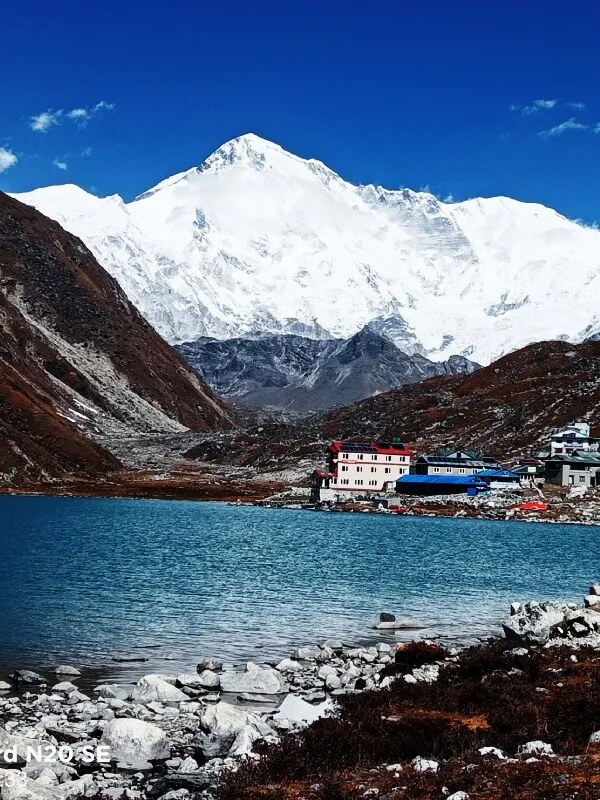
Beautiful Gokyo lake
17 Days
Grade: Moderate

Gokyo Lake Trek via Everest Base Camp

From
US$1650
See Details
Top Rated
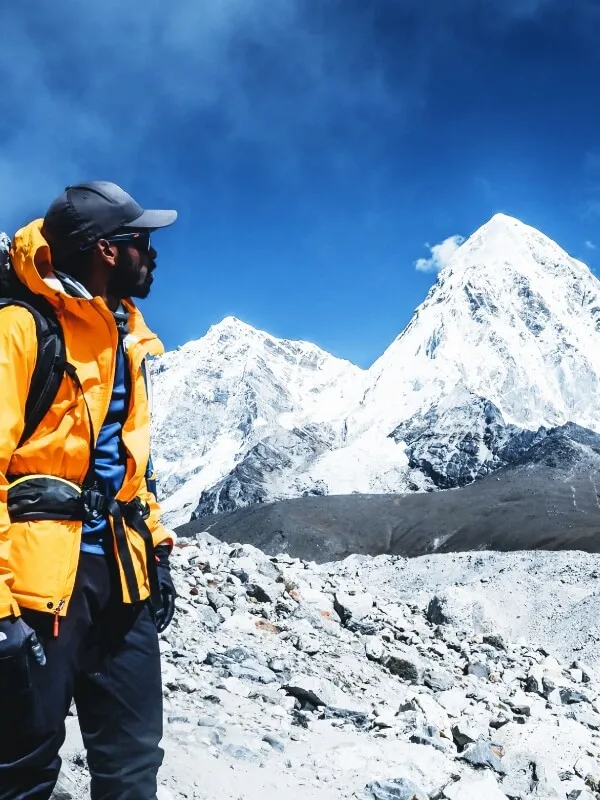
Trekker watching everest peaks in autumn
15 Days
Grade: Moderate

Everest Base Camp Trek in Autumn / Spring

From
US$1380US$1680
See Details
Heli Tour
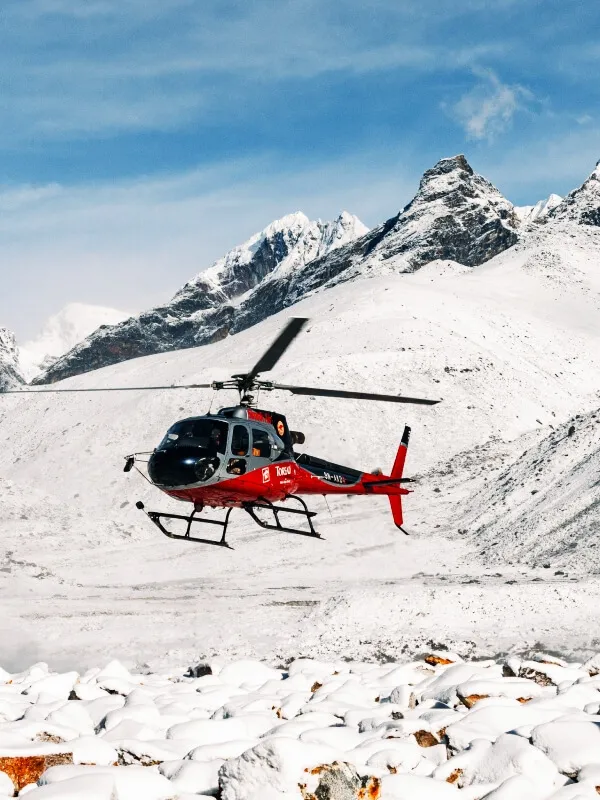
Everest base camp heli fly out trek
11 Days
Grade: Easy

Everest Base Camp Heli Fly Out Trek 11 Days

From
US$2195US$2500
See Details
Need Help? Call Us+977 9841120805