
Top Pick for Tourists An Ideal Stay Experience in Bhutan

Top pick for tourists for an ideal stay experience in Bhutan is the blog discussing the places that you should visit and stay during your Bhutan tour as the The Kingdom of Bhutan referred to as a ‘jewel in the Himalayas’, has outstanding scenery, astonishing cliff-side monasteries, and an unusually firm grasp on preserved culture that draws to mind the explorer in all of us. For many travelers, a Bhutan journey is something of a pilgrimage – where Himalayan peace, extraordinary culture, and extraordinary adventure await.

Most itineraries that are centered on dzongs, festivals, and mountain trails, can be beautifully crafted, but I would argue that where you rest your head at night is just as important to your overall journey. Once you get into the space of finding your ideal stay experience in Bhutan, it will help transform your adventure from a visit to a significant, deep-rooted experience.

But, what is an “ideal stay” in a land as unique as Bhutan – a country covered by the broad umbrella of Gross National Happiness? An ideal stay is more than just clean sheets and a hot shower. It captures the spirit of Bhutan and experiences its people, culture, and magnificent natural surroundings while having a direct and personal offline experience. It is embellishing your daily adventures with an experience full of harmony – relaxing, informative, and personal.

Understanding Ideal in the Bhutanese Context

In Bhutan the notion of an ideal stay is often closely linked to the country’s values (I don’t mean to imply that there is no luxury but ideal tends to mean the experiences that have:

  • Authenticity: the authentic Bhutanese culture and lifestyle.
  • Connection: meaningful interaction with local people and nature.
  • Sustainability: responsible and ethical practices that benefit the local community and conserve the environment.
  • Peace: a peaceful sanctuary that enhances the spiritual and natural beauty of the kingdom.

This means looking beyond the norm and seeking out experiences in places that can tell a story, places that become a part of your authentic Bhutanese experience.

Key Characteristics of a Great Stay About Bhutan

For the discerning traveler, especially adventure trekkers and cultural travelers, these are the practical and very real characteristics you might want to consider when narrowing down your accommodation choices while in Bhutan:

Authentic architectural identity and character

One of the most impressive visual sights in Bhutan is the traditional architecture. A good stay makes sense when you stay in buildings that reflect that architecture – wooden beams and pillars, brightly colored hand-painted patterns like the eight auspicious signs, prospective slate roofs, and rammed earth or stone walls. The authentic architecture simply adds another enjoyable and quintessential dimension to your stay. So, look for guest houses or smaller hotels that have either restored original buildings or built with traditional architecture and local materials. You can feel it too, and also get a good sense of really being in Bhutan.

Deep Bhutan Cultural Immersion and Host Interaction:

The authentic essence of Bhutan is its people. The best experience in Bhutan is usually being able to engage with your hosts in authentic ways. This is where Bhutan homestays or smaller family-run guesthouses excel. Think about the richness that may arise from swapping stories over a cup of sugar (butter tea), learning to cook a basic local dish such as ema datshi, or talking about local farming practices. These encounters shift our understanding and awareness beyond what is offered in guidebooks; they are part of authentic experiences. Even in more formal lodges, you may be able to find lodges that facilitate interaction with local staff and culturally appropriate activities provided by members of the community.

Unmatched Connection to Nature and Himalayan Calmness:

After a day of rigorous trekking, whether through rhododendron forests or ascending a high-altitude valley, your lodging should be your retreat. Look for lodging that will provide you with stunning vistas of mountains veiled in mist, terraced rice paddies, or zephyr-written pine forests. It’s a huge bonus if you have easy access to nature trails for quiet strolls in the morning or simply a balcony to take in the Himalayan calmness and starry nights. The ideal stay will allow you to feel that connection to Bhutan’s pristine landscape even when you’re not actively experiencing it, but still restoring your body, mind, and spirit naturally.

Gentle Bhutanese Warmth

Bhutanese hospitality is founded on warmth, sincerity, and courtesy. It is not fawning service and happy-face offers to try and outdo each other. It is the hospitality that comes from a place of genuine desire to make visitors feel welcome and comfortable. Many hosts practice a kind of quiet dignity that humbles them and is gentle in their helpfulness.

The ideal stay is essentially an honest exchange of genuine hospitality. The interaction could occur if your host remembers your tea preference if they offered you some genuinely useful, unsolicited Bhutan travel tips for the area, or even just a smile to let you know you’re a guest worth having. When a host takes the time to remember you, it elevates the guest accommodation experience into the guest experience.

Pledge to Sustainable Travel Bhutan

As awareness of responsible tourism heightens across the globe, so does the challenge of identifying a stay that fits in with those values. More and more, we are expecting an element of sustainability in exactly how we stay experienced in Bhutan. Sustainability might take the form of eco-friendly operations (waste management, water-saving, solar-powered), sourcing food locally (who doesn’t love food grown and prepared locally, aka farm-to-table?!), employing people locally, and/or contributing to local conservation or social initiatives. With your decision to stay in these properties, we ensure that our adventure experiences are enhancing our lives as well as those of the destination and their people – it is indeed happiness at this level!

Tranquility in Tradition – Haa Farm Stay's Cozy Min Building Retreat
Traditional Bhutanese-style Min Building at Haa Farm Stay surrounded by serene mountain landscapes. Credit: Hafarm

Types of Accommodations that Support the Ideal Experience

There are many variations, but some of the best places to stay in Bhutan to support your ideal experience are:

  • Heritage Guest Houses and Farm Houses – Usually beautifully restored, traditional homes, that provide a one-of-a-kind authentic Bhutan experience.
  • Boutique Eco-Lodges – Designed with a focus on sustainability and nature, they are off the beaten path and have both comfort and devices to protect the environment.
  • Good Homestays – Offering first-hand Bhutan cultural immersion, and an opportunity to participate in life alongside a Bhutanese family. Adventure Vision Treks has relationships with these cherished, vetted stays.
  • Locally-Owned Small Hotels – To many of these small hotels cultural integrity and personal service can mean more than trying to be a destination travel site.

The Essence of Immersive Travel

The quest for authentic, nature-based, culturally rich accommodations is not just limited to the magnificent Himalayas of Bhutan. This is a desire shared by discerning travelers everywhere. In fact, it is a philosophy that we have a special affinity for and always try to achieve at Haafarmstay, which is located in the lush Western Ghats of Sakleshpur, India.

While the landscape may change from snow-capped peaks to coffee and pepper plantations, the essence of what makes a stay “ideal” remains the same. Our guests, like those who seek immersion in Bhutan, come to Haafarmstay searching for the opportunity to disconnect from the stresses of urban life and reconnect – with nature, with authentic local Malnad cuisine, and with a more mindful way of living. We built mud, stone, and wood houses to blend in with the surroundings and to create a connection with nature for an eco-friendly, calming experience. Eating healthy food, fresh from the farm, and exploring the biodiversity of our plantations creates a similar feeling to the local flavors and untouched nature of Bhutan.

Peace in Every Detail – Discover the Essence of Shinzo
Shinzo building with minimalist design and tranquil surroundings, reflecting Zen-inspired architecture.
Credit: Taste of Bhutan

If you’re a traveler who loves the conservationist ideals of Bhutan and its commitment to Himalayan tranquillity, the “spirit” of Haafarmstay will seem joyful and familiar. It is a reminder that whether you’re wandering amidst Castles of the Ancients in Paro, or discovering spice trails in Sakleshpur, the true enriching experiences of travel are radical immersions in communities and places that offer a sense of locality and truthful connections.

Finding Your Perfect Hut in Bhutan

In bringing your stay experience to fruition in Bhutan, there are three steps to bear in mind.

Research Appropriately: Do not be limited by star ratings, but rather read blogs, travel forums, and informative reviews that give a sense of the experience.

Clarify Your Expectations: If you book through an expert, such as Adventure Vision Treks, be clear about your desire for authenticity, interaction with people, or nature. Experts typically have unique properties that are not easy to find online.

Ask Questions: Do not be shy when you get to the final stages of booking, ask questions about their sustainability policies/practices, opportunities for local interaction, and the unique features of their property.

Conclusion

More than only an important logistical decision, your choice of lodging in Bhutan is a chance for you to experience travel in a profound and more meaningful manner. By choosing to stay in commercial/non-authentic lodging choices or non-sustainable accommodation alternatives, you are not just looking for a place to sleep, you are finding another dimension to the captivating Kingdom of the Thunder Dragon. May your travels be exhilarating and your lodging be appropriately, ideally, Bhutanese.

Tour Packages for Bhutan from Kathmandu

Bhutan Tour Package

Bhutan Tour Package 4 Days

Bhutan Tour Package 5 Days

Author: Prashant Singhal

As the Marketing and Retreats Manager at Savista Retreat near Jaipur, I blend eco-conscious travel with soulful experiences. From farm-to-table meals to mindful retreats, I help create stays that nourish both guests and the local community. With a heart for heritage and a passion for the planet, I believe travel should give back to the land that makes it magical.


Tags: ,

Top 8 things to know before trekking in Annapurna Circuit

Top 8 Things to Know Before Trekking in Annapurna Circuit is a well-designed blog discussing everything you will need to know before doing the trek so that you can have a comfortable and safe trek. As you know, the Annapurna Circuit Trek is regarded as one of the most difficult, adventurous, and exciting trekking journeys in the Annapurna Region. Exploring the Annapurna Circuit Trek will allow you to witness cultural and historical beauty, a wonderful landscape, spectacular natural beauty, and breathtaking panoramic views of the Himalayas.

Continue reading “Top 8 things to know before trekking in Annapurna Circuit”

Tags: , , , ,

Cloud Forest Tour in Nepal

Cloud forest tour is a guided excursion into a mountainous forest at high altitude offers a unique experience to explore forest ecosystem with dense cloud cover. These tours often includes hiking, bird watching, wildlife observation, walking in hanging bridges, panoramic view of hills and forests. Sometime in contest of Nepal we can call it Monsoon tour also. Monsoon is a rainy reasons in Nepal offering green fields, forests with lots of wild life creatures.

Cloud forest tour in Nepal is a very unique and stunning travelling journey that mostly happens in Monsoon season, where you will get to witness clouds hanging on the bottom of mountains in the elevation around 5,000 to 10,000 feet. During this season, the forest gets greener and cleaner, whereas the bottom of the place is all covered by mist, and low hanging clouds. In the cloud forest tour, rare mammals, colorful birds, dreamy clouds, thick mosses, and green plants can be witnessed.

Continue reading “Cloud Forest Tour in Nepal”

Tags: ,

Tilicho Lake

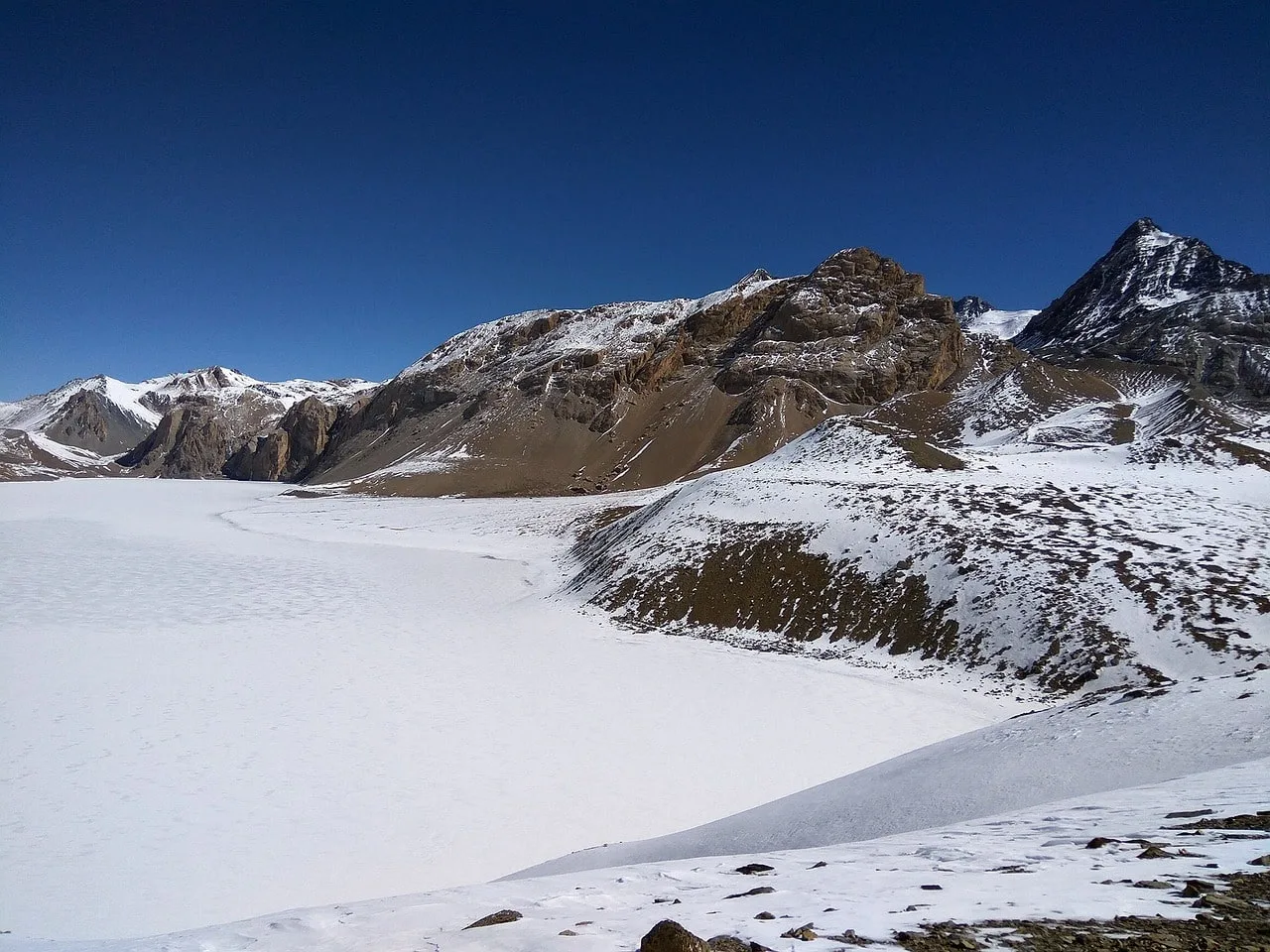
Tilicho Lake is one of Nepal’s highest lakes in the world. It is situated at an altitude of 4,919 meters (16,138 feet) above sea level inside the Annapurna Conservation Area in the Manang Valley. The Tilicho Lake is formed from the melting glaciers of the Tilicho Peak, Annapurna, and other surrounding peaks. It also plays an important role in the Hindu sculptures, as it is believed to be Kak Bhusundi Lake, as it is believed that the sage named Kak Bhusundi took the transformation of the crow and narrated the Ramayana to the Garud dev, who is the mount of Lord Vishnu, on the shores of the lake.

Continue reading “Tilicho Lake”

Tags: , , ,

Annapurna Base Camp Trek Photos

In this is a gallary of Annapurna Base Camp Trek Photos, sharing the most iconic moments and the best photo spots. Whether you’re planning your trek or just dreaming of the Himalayas, let these images and descriptions immerse you in the magic of ABC.

Regarding trekking in Nepal, few routes are as captivating and camera-worthy as the Annapurna Base Camp (ABC) Trek. Situated at 4,130 meters in the heart of the Annapurna Sanctuary, the trail to ABC offers a constantly shifting canvas of beauty. For trekkers and photographers alike, this journey is more than a physical adventure it’s a visual story unfolding frame by frame. Continue reading “Annapurna Base Camp Trek Photos”

Tags: , , ,

West Bengal Climber Dies Near Hillary Step on Everest

The 2025 Mount Everest climbing season has been overshadowed by the heartbreaking loss of two climbers in the past two days. Subrata Ghosh, a 45-year-old climber from West Bengal, India, lost his life near the infamous Hillary Step while descending from the summit. Just a day earlier, a Filipino mountaineer also tragically died at Camp 4, highlighting the ever-present dangers of the world’s highest peak.

Late Summit Push Ends in Tragedy for Subrata Ghosh

Subrata Ghosh had been part of a well-organized expedition aiming to conquer Everest’s summit this season. According to his agency, Dream Wanderlust, Ghosh started his summit push later than planned and reached the top with his Sherpa guide around 2 p.m. yesterday, well into the afternoon. This delayed timing put him at risk, as climbers are advised to reach the summit and descend before late afternoon to avoid hazardous conditions.

During the descent towards Camp 4, situated just below the summit at approximately 7,900 meters (25,900 feet), Ghosh began showing alarming signs of exhaustion and altitude sickness. Exhaustion is a common and dangerous occurrence in the “death zone,” where oxygen levels are critically low and physical exertion becomes incredibly taxing.

Trekkers make their way through the icy trails of the Himalayas, surrounded by snow-covered peaks and breathtaking alpine beauty.
Group of trekkers hiking through snowy mountains in the Himalayas.

Despite repeated encouragement and assistance from his Sherpa, Subrata refused to continue his descent. Unfortunately, he was later found dead near the Hillary Step a steep, narrow rock face that presents one of the final and most perilous obstacles on the southeast ridge route to Everest’s summit.

The Hillary Step, named after Sir Edmund Hillary, the first confirmed climber to summit Everest alongside Tenzing Norgay, is notorious for being a bottleneck and challenging passage where many accidents have occurred in the past.

Filipino Mountaineer Dies at Camp 4

Just a day before Subrata Ghosh’s tragic death, the mountaineering community was shocked by the loss of a Filipino climber, aged 45, who died at Camp 4 on Everest. The climber had reached the high camp at roughly 7,900 meters but reportedly collapsed soon after arrival.

Camp 4 serves as the final staging point for the summit push and is located within the death zone, where the extreme altitude severely strains the human body. The climber showed signs of fatigue and distress upon reaching the camp and, despite immediate attempts to provide aid, was unable to be revived.

This incident serves as a grim reminder of the relentless dangers posed by high-altitude mountaineering, where even the most prepared and experienced climbers can be overcome by the unforgiving environment.

Mount Everest 2025: Challenges Amid Increased Traffic

The 2025 Everest climbing season has attracted a record number of aspirants from around the world, with over 900 permits issued. While this surge in climbers reflects the mountain’s enduring allure, it has also raised concerns about overcrowding and safety, especially near technical sections like the Hillary Step.

Both fatalities underscore the risks posed by fatigue, altitude sickness, and the physical toll that Everest exacts on climbers. Late summit pushes insufficient acclimatization, and delayed descents are common factors contributing to accidents and fatalities on the mountain.

Remembering Subrata Ghosh and the Filipino Climber

Subrata Ghosh and the Filipino climber were passionate adventurers who embarked on the daunting quest to stand atop the world’s highest point. Their tragic deaths resonate deeply within the mountaineering community and with families and friends who supported their dreams.

Authorities and expedition operators continue to stress the importance of strict adherence to safety guidelines, proper acclimatization schedules, and timely summit attempts. The mountain’s allure remains undiminished, but these recent losses serve as somber reminders of Everest’s formidable challenges.

As rescue and recovery operations continue, the mountaineering world mourns the loss of two dedicated climbers whose spirits will be remembered in the annals of Everest history.

The 2025 climbing season on Everest serves as a stark testament to the mountain’s power and unpredictability. For many, the dream of reaching the summit comes with risks that can sometimes be fatal.

However, The Everest Base Camp Trek is still open for the trekkers due to the safe trekking trials on the region.

Related News

Mt. Everest Records First Death of 2025 Climbing Season: Filipino Climber Philipp II Santiago Dies at Camp IV

Mt. Everest Records First Death of 2025 Climbing Season: Filipino Climber Philipp II Santiago Dies at Camp IV

The 2025 climbing season on Mount Everest has begun on a tragic note, with the first recorded fatality being that of 45-year-old Filipino climber Philipp II Santiago. A member of the Mountaineering Association of Krishnanagar Snowy Everest Expedition, Santiago died at Camp IV, the final camp before the summit, while preparing for his summit push.

Continue reading “Mt. Everest Records First Death of 2025 Climbing Season: Filipino Climber Philipp II Santiago Dies at Camp IV”

Tags: , ,

Manaslu Annapurna Circuit Trek Distance

Manaslu Annapurna Circuit trek distance is One of the most commonly asked questions before trekking on this challenging trek. The answer isn’t simple, as the total distance depends on the specific itinerary, chosen side trips, and starting/ending points. In this guide, we’ll break down the total distance, daily trekking lengths, and route variations to give you a complete picture of what to expect on this epic adventure.

On average, the combined Manaslu and Annapurna Circuit trek covers around 300–350 kilometers (186–217 miles). The exact distance depends on your entry/exit points and optional side hikes.

Here’s a breakdown:

Section Approximate Distance
Arughat/Soti Khola to Larkya La (Manaslu) 180 km (112 miles)
Dharapani (Junction Point) to Thorong La Pass (Annapurna) 100 km (62 miles)
Thorong La to Jomsom/Tatopani 40–70 km (25–43 miles)
Total Estimated Distance 300–350 km (186–217 miles)

Note: Some itineraries also include Manaslu with Tilicho Lake or Annapurna Circuit with Tilicho lake and end at Pokhara, which can add more distance.

Daily Distance Breakdown

Here’s a typical 24-day itinerary combining both circuits with estimated distances per day:

Day Route Distance (km) Notes
1 Drive from Kathmandu to Soti Khola 141 Long jeep ride
2 Soti Khola to Machha Khola 14 Moderate start
3 Machha Khola to Jagat 22 Enter restricted area
4 Jagat to Deng 20 Scenic riverside trail
5 Deng to Namrung 19 Starts gaining altitude
6 Namrung to Lho 11 Views of Manaslu begin
7 Lho to Samagaon 14 Acclimatization required
8 Acclimatization Day in Samagaon 5–7 Hike to Manaslu Base Camp or Pungyen Gompa
9 Samagaon to Samdo 17 Close to Tibet border
10 Samdo to Dharamsala (Larkya Phedi) 13 Final stop before pass
11 Cross Larkya La (5,106m) to Bimthang 24 Long and challenging day
12 Bimthang to Dharapani 22 Join Annapurna Circuit here
13 Dharapani to Chame 16 Walk through pine forests
14 Chame to Pisang 15 Views of Annapurna II
15 Pisang to Manang 19 Beautiful Tibetan villages
16 Acclimatization Day in Manang 5–6 Hike to Ice Lake or Gangapurna
17 Manang to Yak Kharka 10 Steady altitude gain
18 Yak Kharka to Thorong Phedi 7 Short but steep
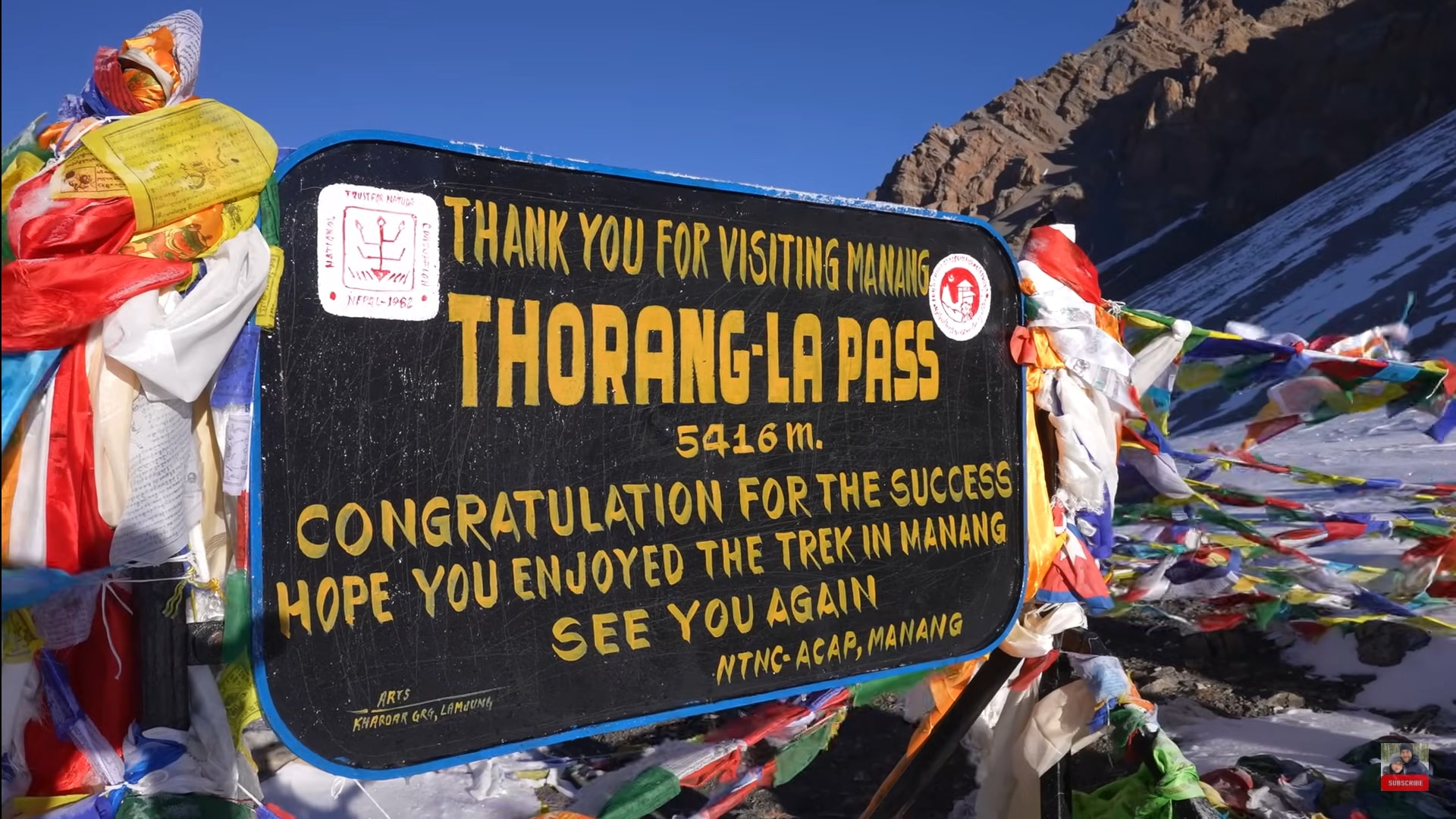
19 Cross Thorong La (5,416m) to Muktinath 16 The highest point of the trek
20 Muktinath to Kagbeni 10 Enter Mustang
21 Kagbeni to Jomsom 11 Windy flat trail
22 Jomsom to Tatopani (by Jeep) 34 Optional hike adds ~25 km
23 Tatopani to Pokhara (via Beni) 94 End of trek
24 Rest Day in Pokhara Celebrate the journey!

Depending on side treks, the itinerary might vary by a few days, and so will the distance.

Variations in Route and Distance

Several variations and options can add or reduce your trekking distance:

Side Trips that Add Distance

  • Manaslu Base Camp from Samagaun (~8–10 km round trip)
  • Pungyen Gompa (~5 km round trip)
  • Ice Lake or Gangapurna Lake from Manang (~10–12 km round trip)
  • Tilicho Lake (adds 2 days and ~30–35 km)
A tranquil moment at Birendra Lake, a glacial gem nestled beneath Mount Manaslu—just an hour's hike from Samagaun.
Birendra Lake, a turquoise glacial lake surrounded by snow-capped peaks and alpine terrain near Samagaun, Nepal.

Shortcuts That Reduce Distance

  • Taking a jeep to Dharapani instead of trekking from Soti Khola (saves ~60 km)
  • Ending the trek at Jomsom or Tatopani instead of continuing to Ghorepani or Pokhara on foot
  • Skipping Tilicho Lake and other side trails
Manaslu Circuit Trek Package

Explore Manaslu Circuit Trek Info

Duration: 12 Days

Best For: Adventure Seekers & Culture Lovers

  • Includes: Transportation, Accommodation, Guide, TIMS & Permits

View Trek Details

Tips to Tackle the Long Distance

  • Train ahead – Start building endurance 1–2 months before the trek.
  • Use trekking poles – Helps with knees on long descents.
  • Stay hydrated and eat well – Fuel your body for the kilometers ahead.
  • Acclimatize properly – Don’t skip rest days.
  • Hire a guide/porter – They help manage pace and carry weight.
  • Wear quality boots and gear – Comfort matters over long distances.

Ending Point and Return Options

The trek usually ends in Jomsom, Tatopani, or even Ghorepani Poon Hill for a scenic conclusion. From any of these, you can:

  • Take a jeep or bus to Pokhara
  • Catch a flight from Jomsom to Pokhara (weather permitting)

Transport Choices and Their Impact on Distance

Some trekkers may choose to skip the first few days of walking by driving directly to Jagat or Dharapani on a local jeep, cutting down the total distance by 20 to 30 kilometers. On the other end of the trek, taking a flight from Jomsom to Pokhara or a jeep from Tatopani can also reduce the number of walking days.

Experience the rugged reliability of the Scorpio on your adventure.
Mahindra Scorpio SUV parked in a rugged terrain, showcasing its off-road capabilities

However, many adventurers prefer to walk the full trail to absorb the dramatic shift in landscape from high alpine passes down to hot springs and rhododendron forests and to enjoy every moment of this once-in-a-lifetime journey.

Is the Long Distance Worth It?

Absolutely. While covering over 300 kilometers on foot might sound daunting at first, every step reveals a new layer of beauty—towering glaciers, chanting monks, blooming wildflowers, or a glimpse into centuries-old lifestyles untouched by modern civilization. The long-distance isn’t just a number; it’s a pathway to one of the most rewarding experiences Nepal has to offer.

What is the Manaslu Annapurna Circuit Trek?

The Manaslu Circuit Trek takes you around Mt. Manaslu (8,163m) the eighth-highest peak in the world  offering a pristine trail rich in Tibetan culture, remote Himalayan villages, and dramatic mountain scenery. It reaches at Larkya La Pass (5,106m).

From there, the trek transitions into the Annapurna Circuit, one of the most famous trekking routes in the world. It circles the Annapurna massif and includes crossing the famed Thorong La Pass (5,416m) and connecting diverse landscapes from alpine meadows to subtropical forests.

Together, these treks form one of the longest, most scenic, and spiritually enriching long-distance trails in Nepal.

Is the Distance Manageable?

Yes with good acclimatization, a steady pace, and rest days, the total distance of 300–350 km is achievable for most trekkers with moderate fitness. However, due to the high altitude and steep terrain, it can feel harder than the distance suggests.

Daily hikes range from 10 to 22 kilometers, with only a few exceptionally long days like the Larkya La and Thorong La crossings.

Tags: , , , , ,

Manaslu Circuit Trek in December

The Manaslu Circuit Trek in December is the best time to trek if you are fond of trekking in snowfall, witnessing the majestic mountains, and playing in the snow. During December, everywhere the environment is harsh and cold, with strong cold winds blowing, and the region is filled with snow, making it a white snow wonderland. During December, the temperature is usually in the minus, the teahouses in the higher altitudes are closed, and the locals migrate to the lower altitudes like Macha Khola, Soti Khola, and Jagat. The wind is crisp, and the winter makes the mountains look even more beautiful and snowcapped.

Continue reading “Manaslu Circuit Trek in December”

Tags: , , ,

No Experience, No Everest: Nepal Drafts Stricter Climbing Rules

In a landmark move to restore the dignity of Mount Everest and ensure the safety of climbers, Nepal has unveiled a draft law that will introduce much stricter requirements for those attempting to summit the world’s highest peak. The proposed regulation, if approved, will mandate climbers to have successfully ascended at least one mountain over 7,000 meters before they can apply for a permit to climb Everest.
The government’s decision comes in response to growing concerns about overcrowding, inexperience among climbers, and the increasing number of fatalities on Everest in recent years. Authorities believe that enforcing higher standards will help reduce traffic jams on the mountain and significantly enhance climbers’ chances of survival.

Continue reading “No Experience, No Everest: Nepal Drafts Stricter Climbing Rules”

Tags: , ,